


R12 Management of Publicly Owned Natural Areas
Extensively managed trees are trees in parks, woodlands and other natural areas which are often allowed to grow more naturally and freely than intensively managed trees. These areas still require management to provide a healthy and diverse green space. They are often used by the public and therefore risk management is a key consideration. The frequency of land use and target value are key drivers for inspection frequency, and any inspection rota should accommodate this to prioritise monitoring and management.
A substantial and highly-valued part of Belfast’s urban forest is found in these areas, and efforts should be made to develop and implement good practices, and work in close partnership with landowners, charities, and volunteers.
Currently around two thirds of these parks are already subject of 3 year management plans and work is ongoing with the woodland officers to bring these other natural areas into management or positive non intervention too. Monitoring and managing these areas could help prevent the spread of diseases, reduce the level of risk, and resolve other issues associated with ‘unmanaged’ areas.
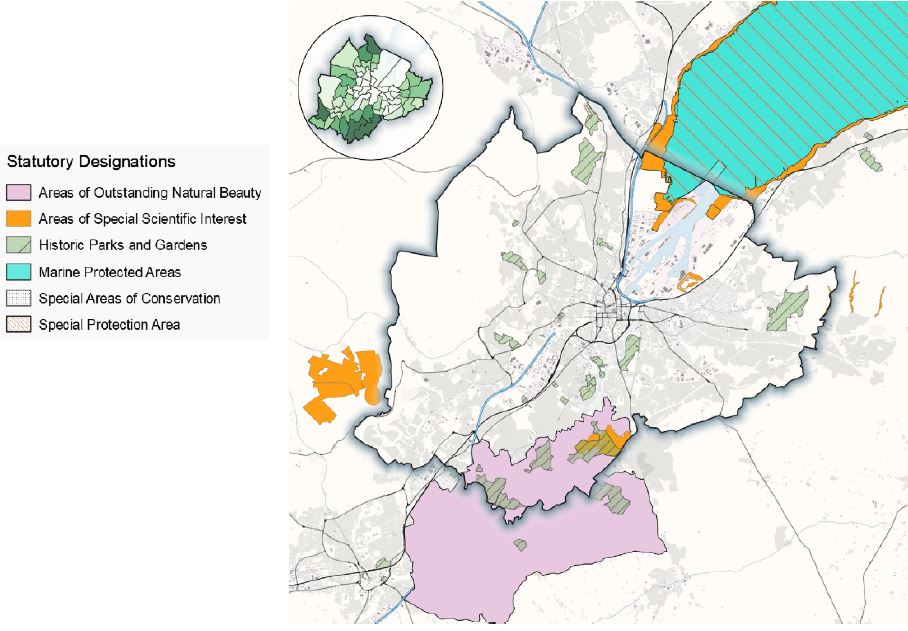
Figure 19: Indicative map of main statutory designations in Belfast
Contains public sector information licensed under the Open Government Licence v3.0.
Contains OS data © Crown copyright and database right 2022.
© OpenStreetMap contributors
Actions
- Continue to map and identify public owned areas, and refine so that there is a consistent idea of what and where public green space is.
- Continue to develop the current system for recording trees in woodlands and groups, assign a management unit to each and develop an appropriate management overarching plan (significant areas may also have or require an individual plan).
Relevant corporate policies
| Priority | Responsibility for action | For review |
|---|---|---|
| Medium | 1. Belfast City Council | TBC - Medium term project |
| Current Performance Level | Performance Indicators | |||
|---|---|---|---|---|
| Moderate | Low | Moderate | Good | Optimal |
| No natural areas management plans or implementation in effect. | Only reactive management efforts to facilitate public use (e.g., hazard abatement, trail maintenance). | Management plan in place for each publicly owned natural area to facilitate appropriate public use. | Management plan for each publicly owned natural area focused on sustaining and, where possible, improving overall ecological integrity (i.e., structure and function) – while facilitating appropriate public use. | |
