


Response to phase 1
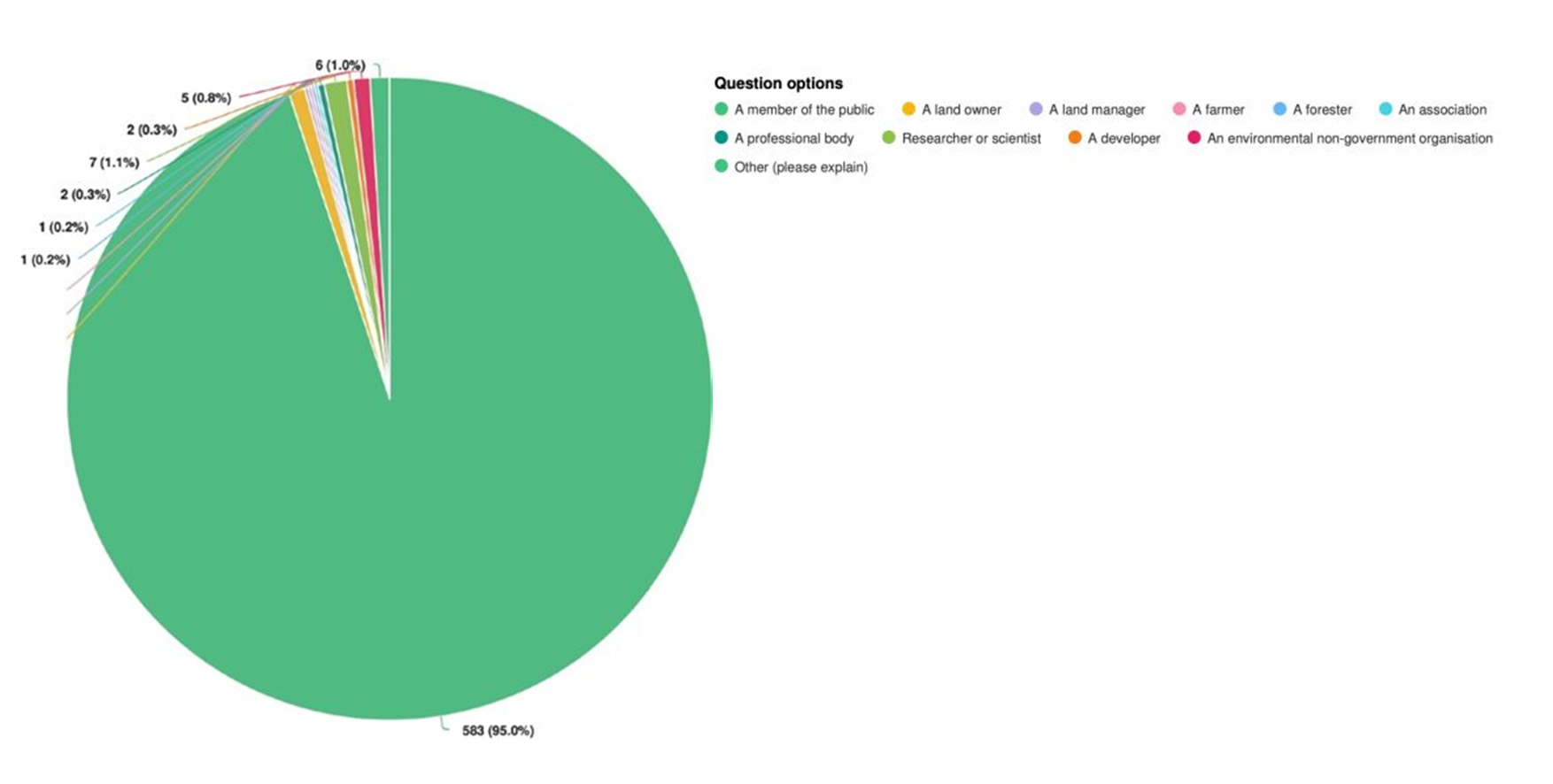
Q1: Tell us about yourself (select one option), I am responding as:
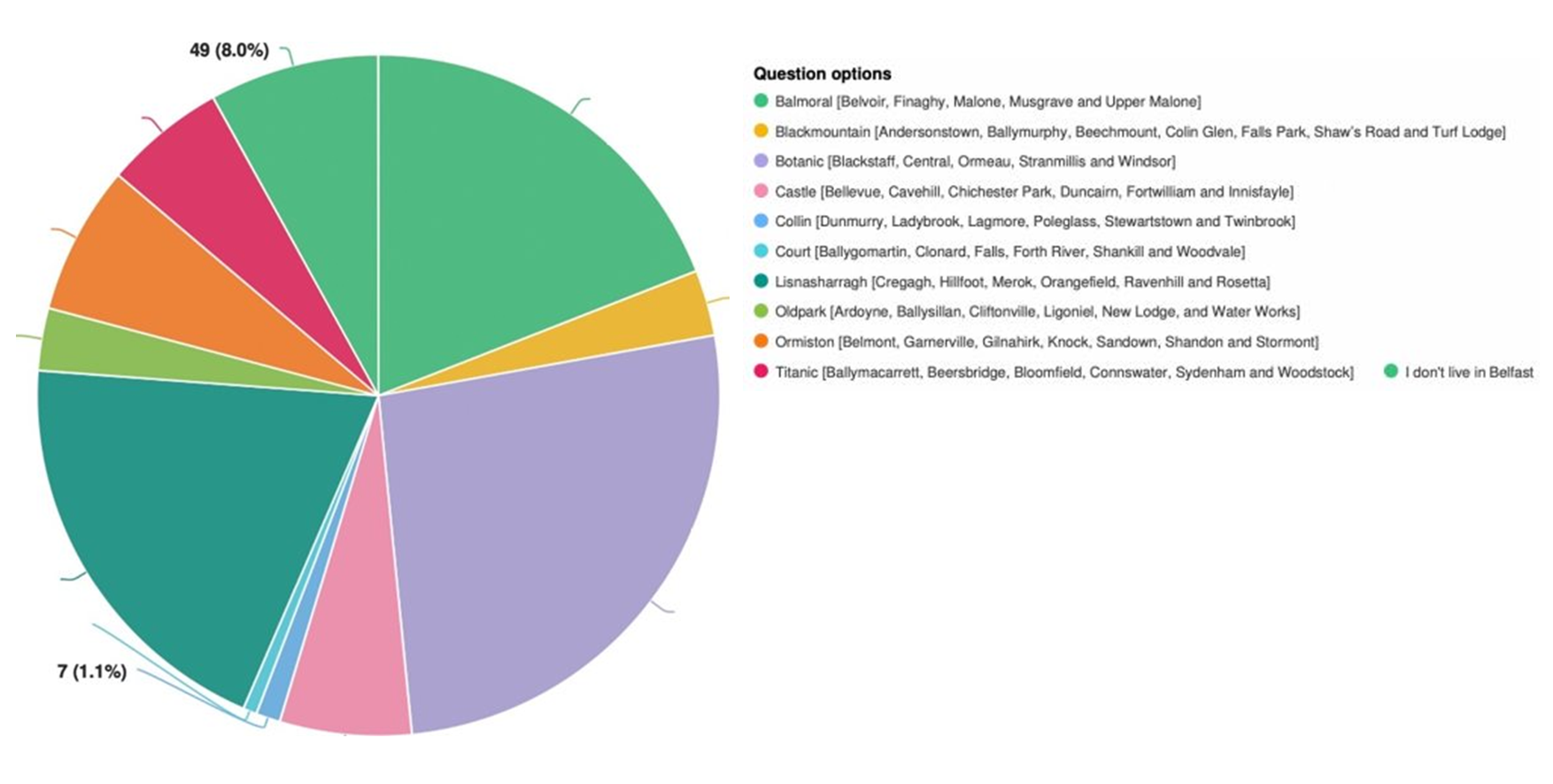
Q2: In which area of Belfast do you live ? (District Electoral Area)
Q3: Thinking abut Belfast today, do you think there are too many, too few or about the right amount of trees across Belfast?
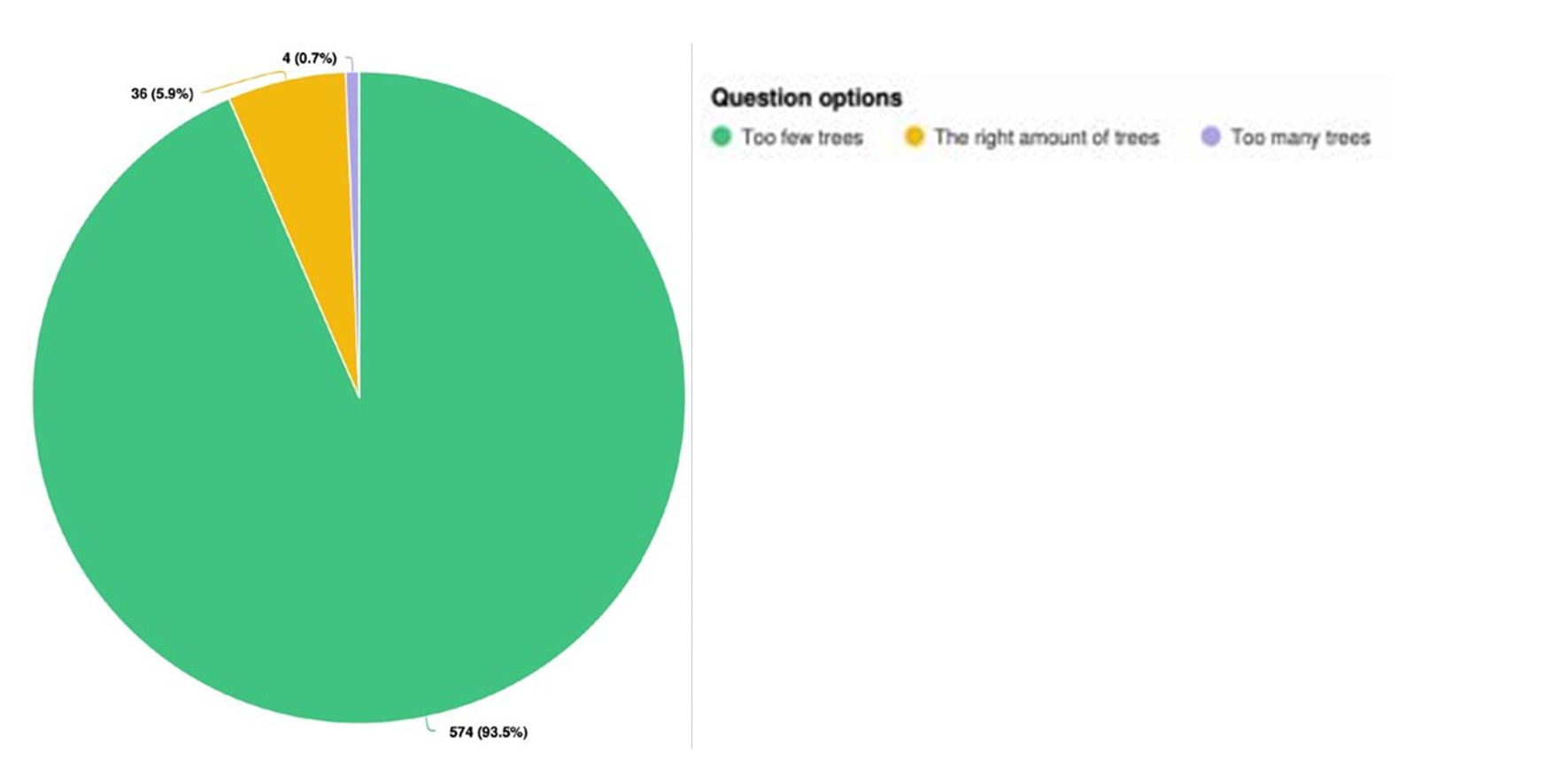
When asked about the amount of trees across the city region the overwhelming response is that Belfast has too few trees.
With nearly complete consensus on this matter, this question highlights the need for the strategy being developed here to increase the numbers of healthy trees in the city.
This strategy includes a target of more than doubling canopy cover to 30 per cent which will go a long way to addressing this challenge.
Q4: Thinking specifically about your neighbourhood, do you think there are too many, too few or about the right amount of trees in your neighbourhood?
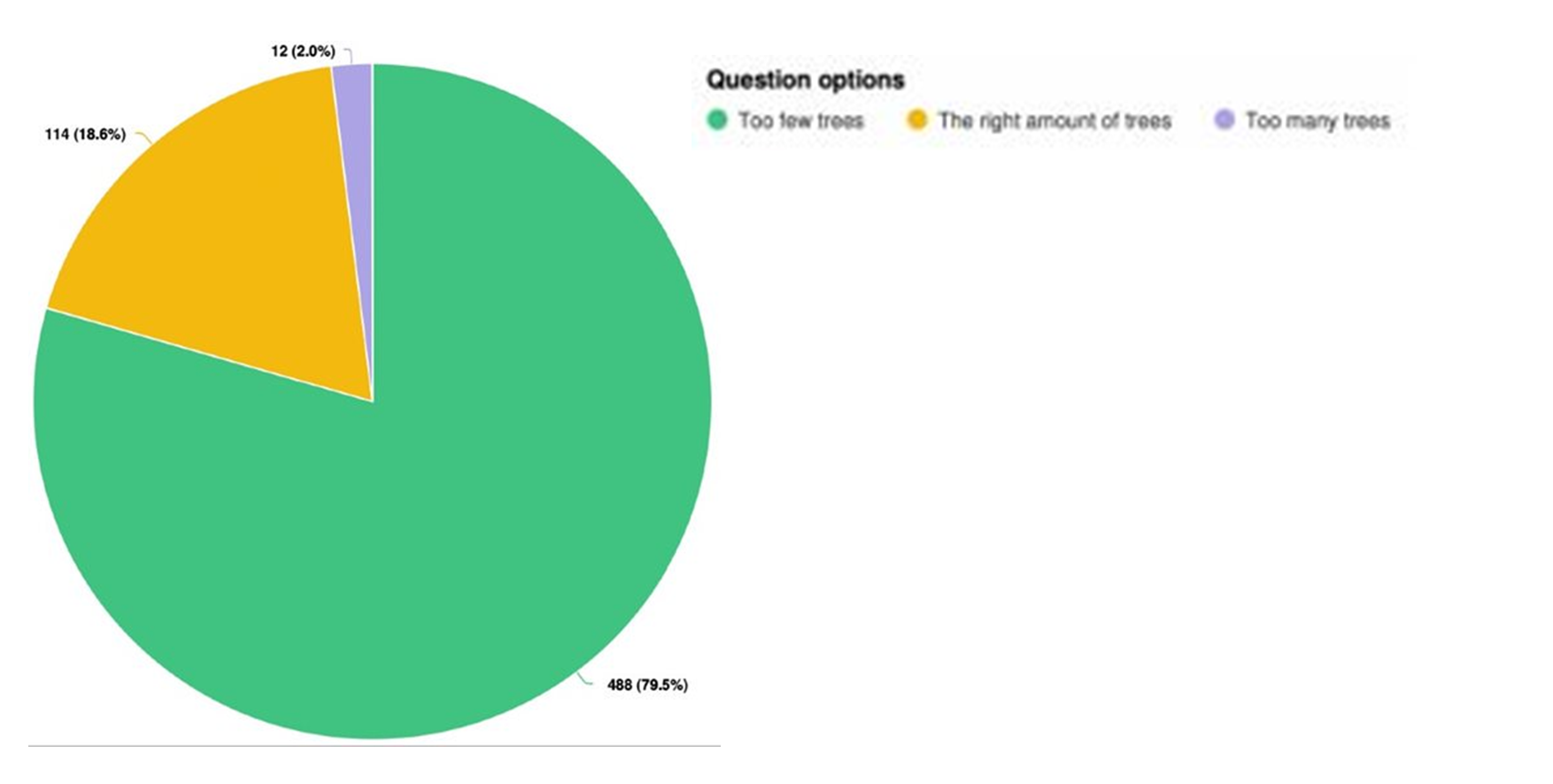
When asked specifically about the amount of trees in the respondents own neighbourhood, again the response indicates the desire for an increase in tree population.
Alongside the directed advice on tree planting efforts in this strategy there is also focus on local woodlands and natural areas. At a neighbourhood level a concerted effort to monitor and manage these areas can lead to an increase in quality of these spaces.
Q6: Can you see any trees from your property?
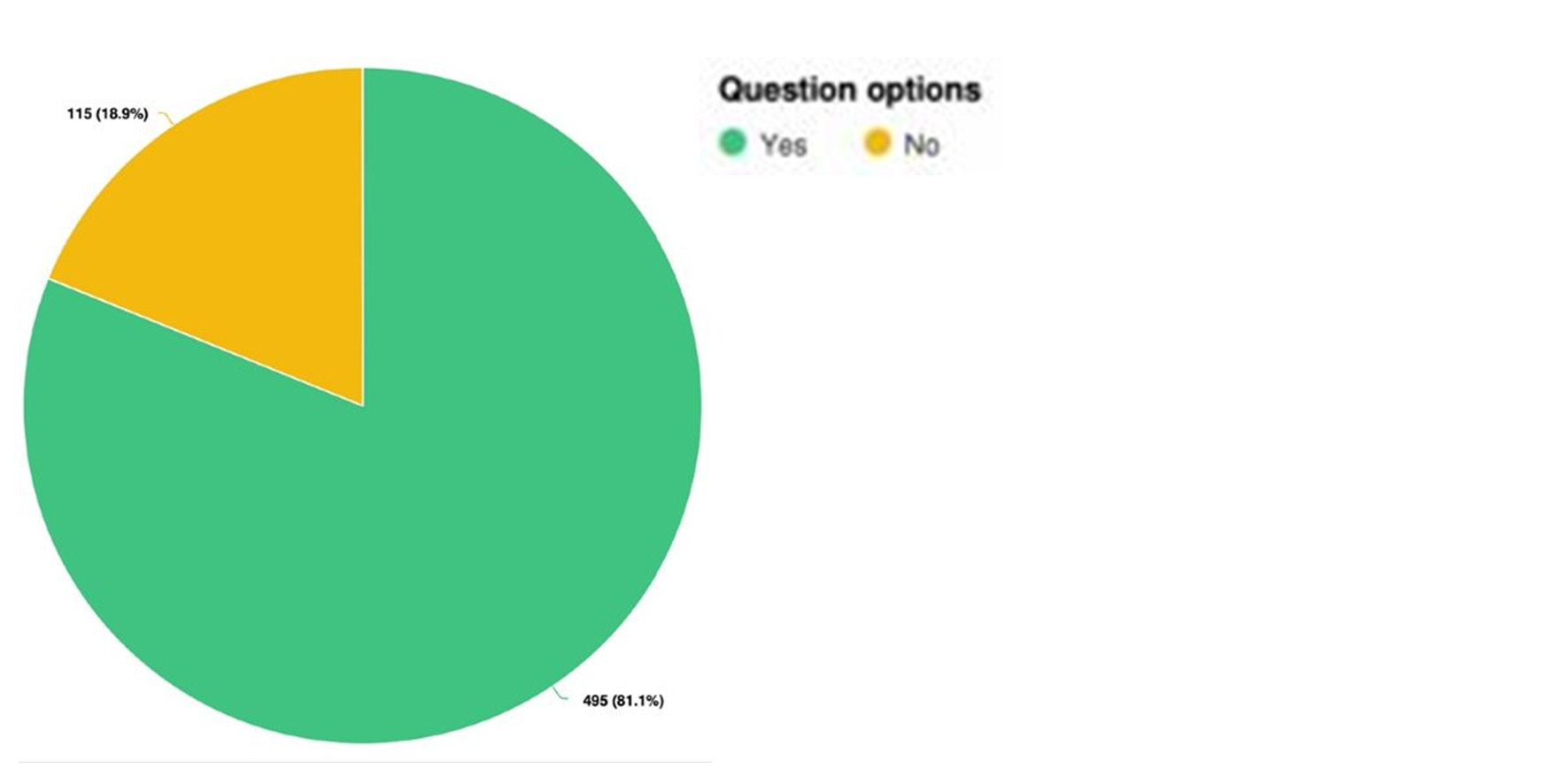
The majority of survey respondents (81.1 per cent) state that they can indeed see trees from their property.
This does not necessarily mean that there is an abundance of trees or that these trees are in good health. It does however show that despite being in relatively close proximity to trees, the consultees have a desire to see a more developed urban forest landscape throughout their city and not just around their own properties.
Q8: How do you feel about these trees?
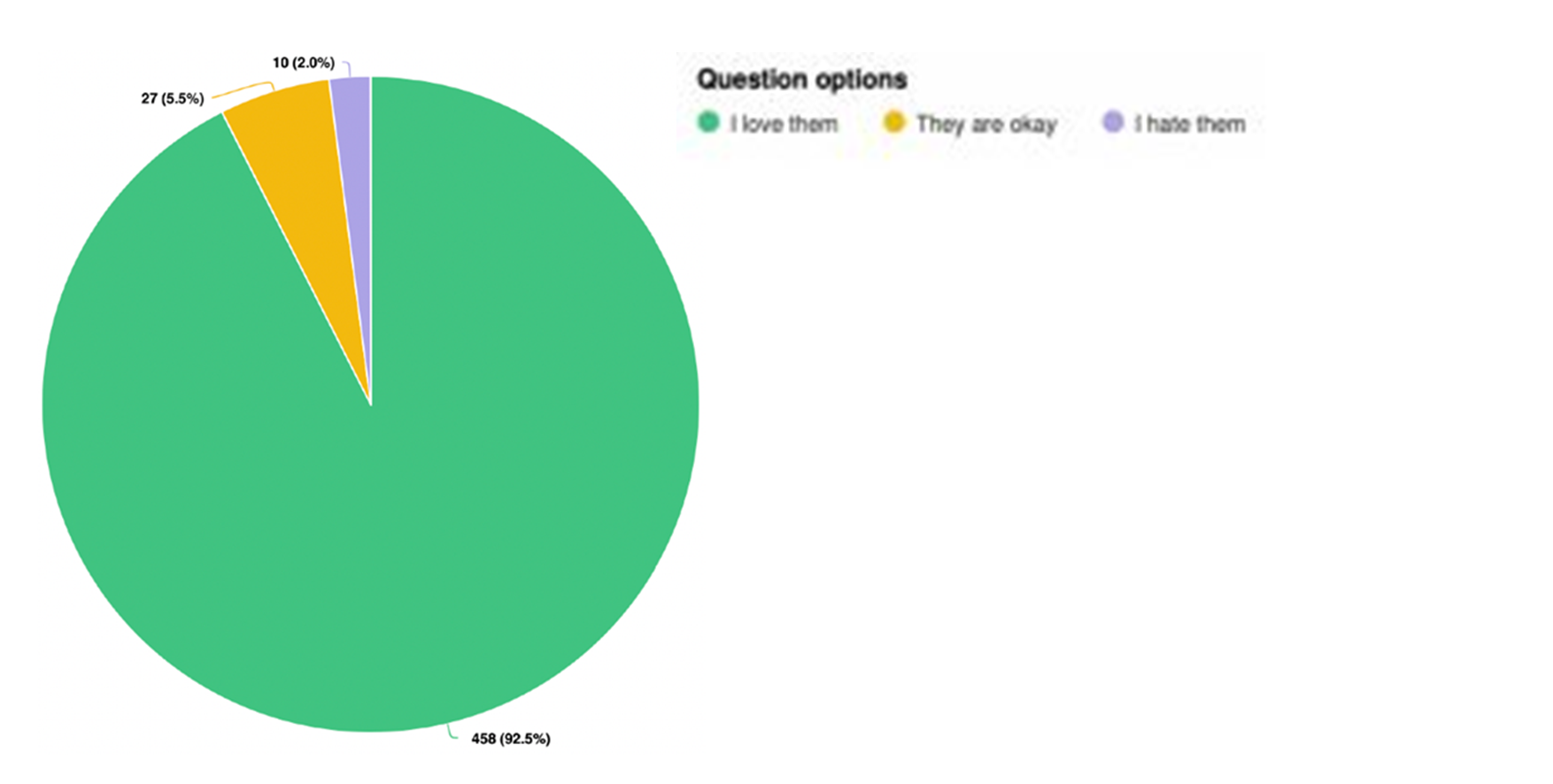
The responses to question 8, regarding the feelings towards the trees that consultees can see from their properties are exceptionally positive. The few which are negative are understandable and the comments of the respondents reflect the main themes of a lack of light, excess leaf litter and lack of maintenance.
The positive feedback reflects consultees intrinsic understanding of the value of urban trees, even if they are not directly aware of the specifics. The strategy recommends periodic monitoring of the benefits of the urban forest. As the urban forest grows, these benefits should increase with a larger, healthier and more diverse urban forest treescape.
Q10: Do you have trees on your own property or on a shared space?
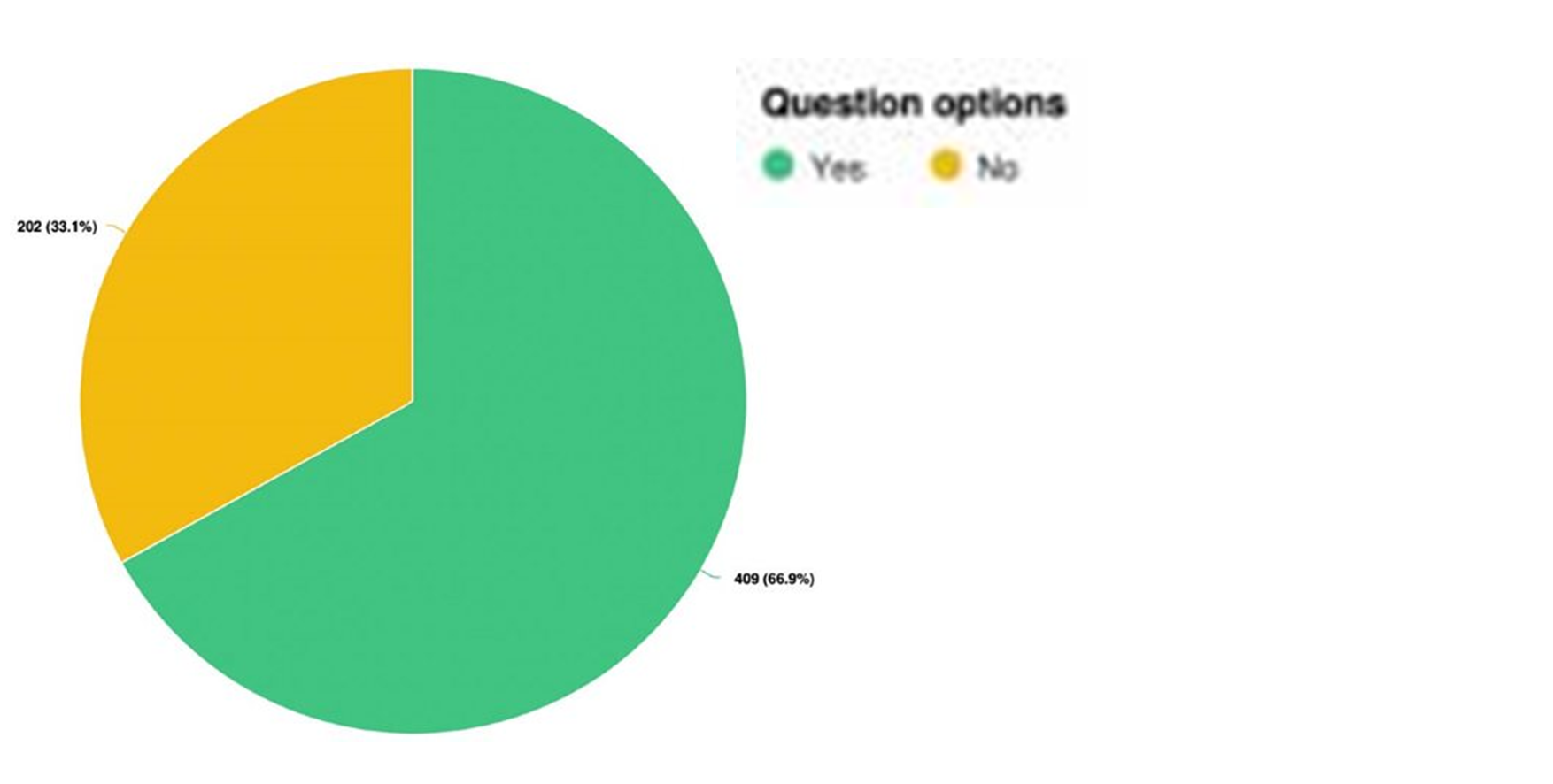
When asked about the trees in the respondents property or shared space, there is a majority who have direct access to trees.
These trees are much more difficult to record and monitor accurately, however due to the number of private gardens and other privately owned trees these make up a significant proportion of the tree population.
The tree strategy emphasises the importance of monitoring trees on private property with a view to enhancing decision-making around the urban forest.
Q11: Would you like to have trees on your own property or on a shared space?
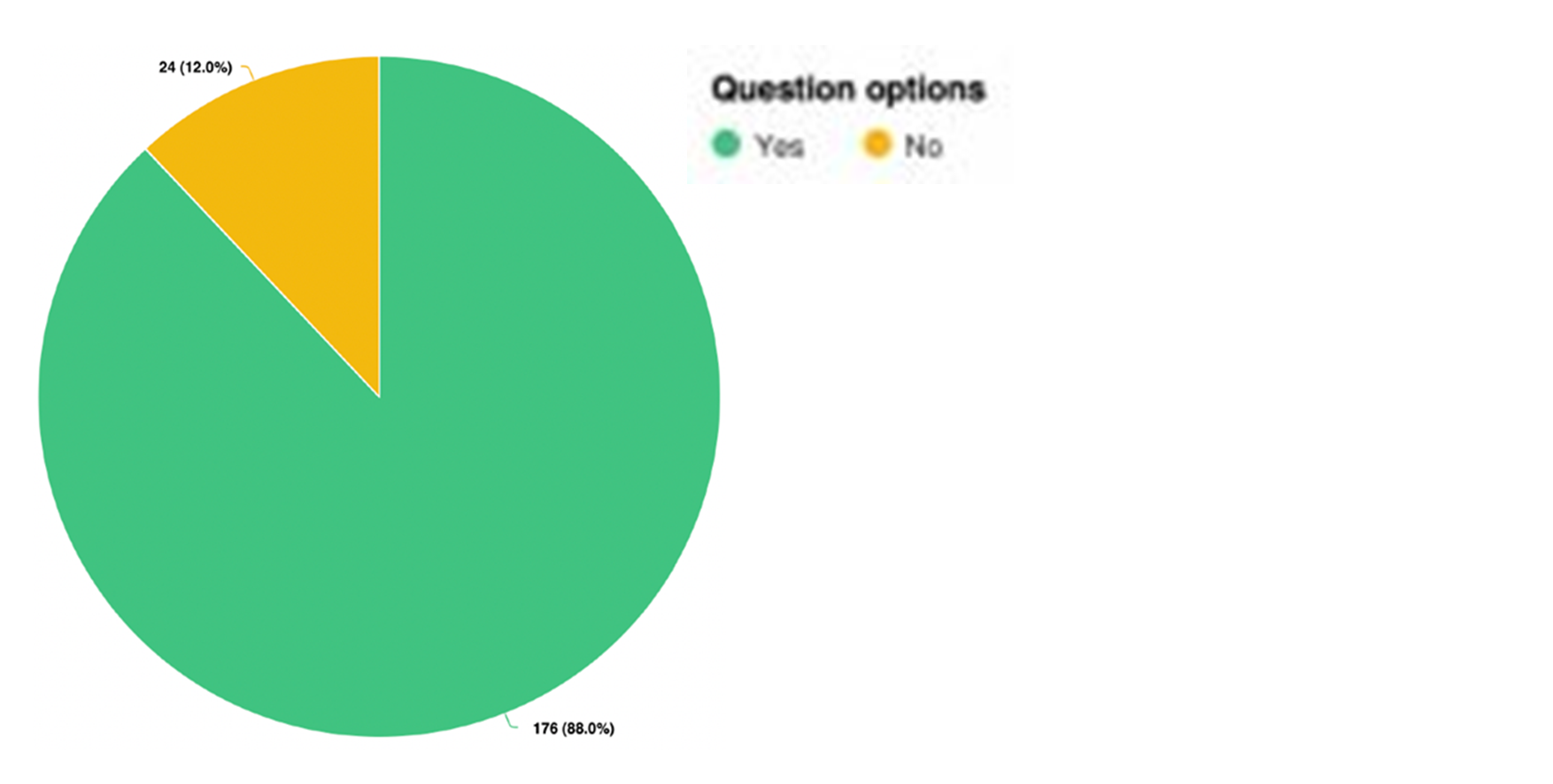
Question 11 shows yet another clear desire for trees to remain and play an enhanced role in the urban fabric.
This strategy is clear that site suitability and risk management should always be taken into account when planting new trees, however it also emphasises the possibility of both environmental and social benefits when involving a community in a tree planting project. Shared spaces and private land can be prime examples of where the residents take on projects that increase the strength of the urban forest for all the residents in the area.
Q14: Do you think Belfast would benefit from having a dedicated Tree Strategy in place?
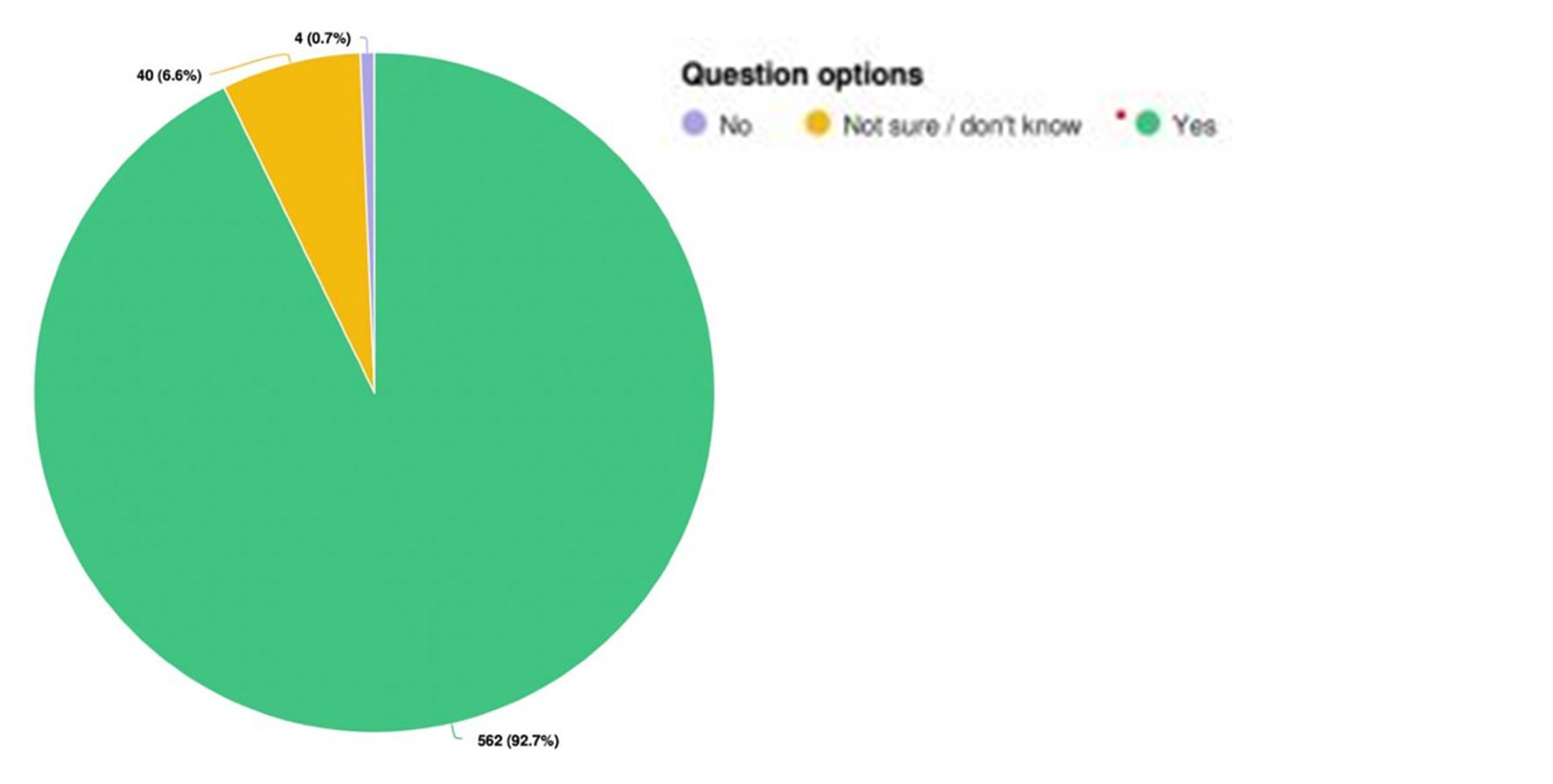
When considering all the previous responses shown in this section it becomes very clear that the consultees, which were primarily members of the public and residents of Belfast, support the development of the urban forest.
The majority believe that there should be more trees in their neighbourhood and city wide. Many can see trees from their property or have trees on their property. With an increase in tree cover comes an inevitable need for maintenance and concerns about their impact, yet the overwhelming majority still want to have trees in these spaces and enjoy their presence.
There is also general recognition in the need for a strategy and a desire for increased maintenance and management of the urban forest, increasing the tree population, maintaining its health and increasing its connection with the community.
Belfast City Council sincerely thanks the many respondents who took the time to do the survey and provide extensive feedback and insight about Belfast's trees and what they mean, not just to Belfast’s residents, but also its visitors and wildlife.
